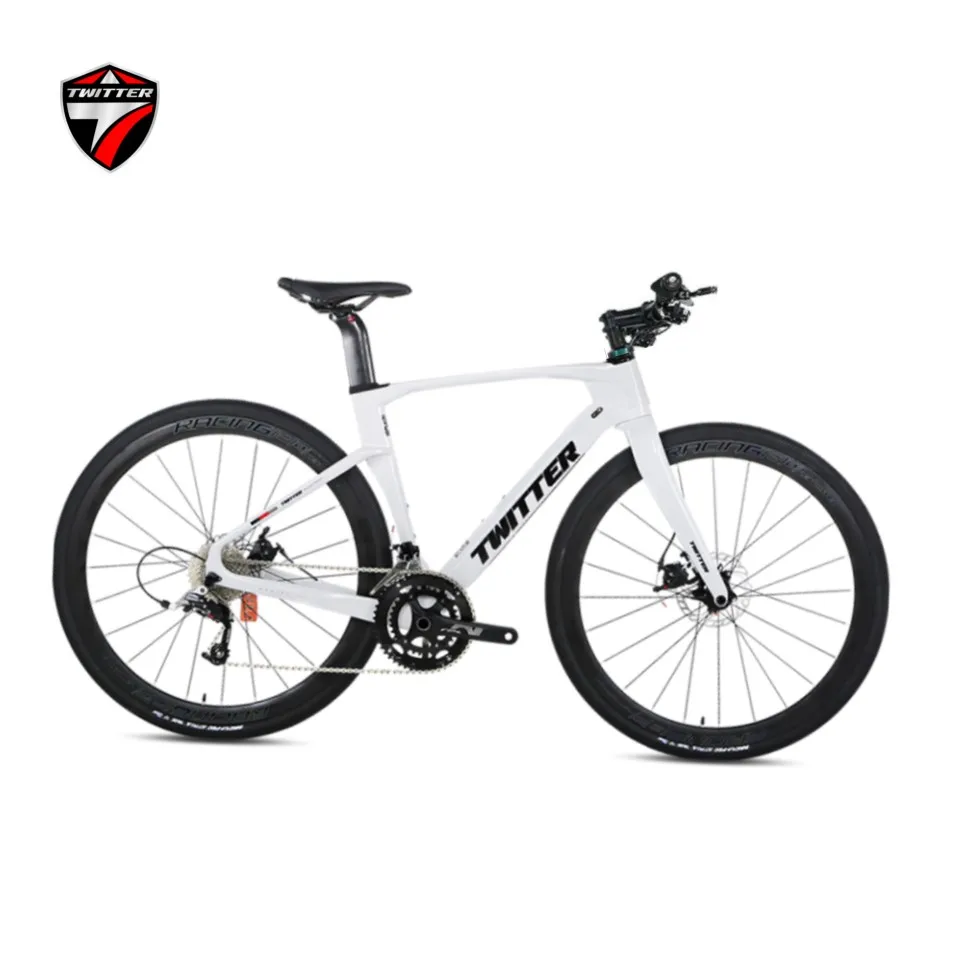
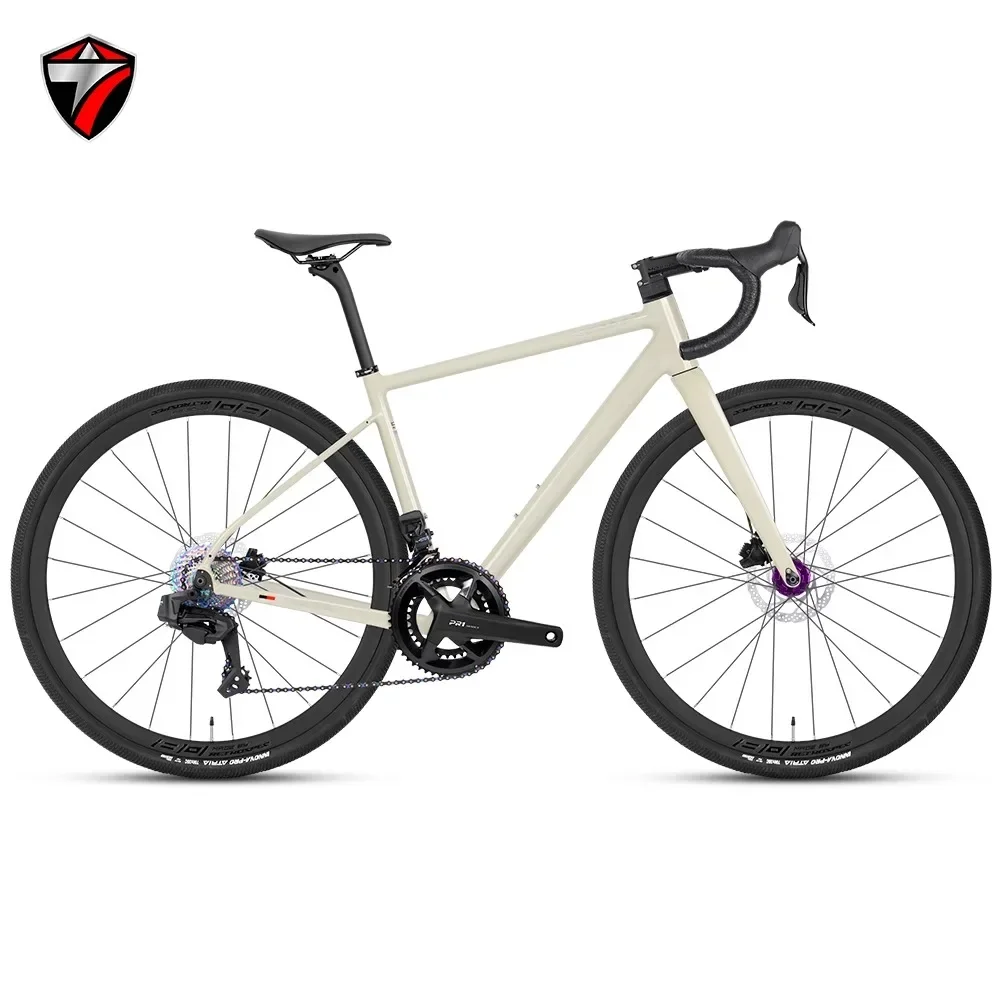
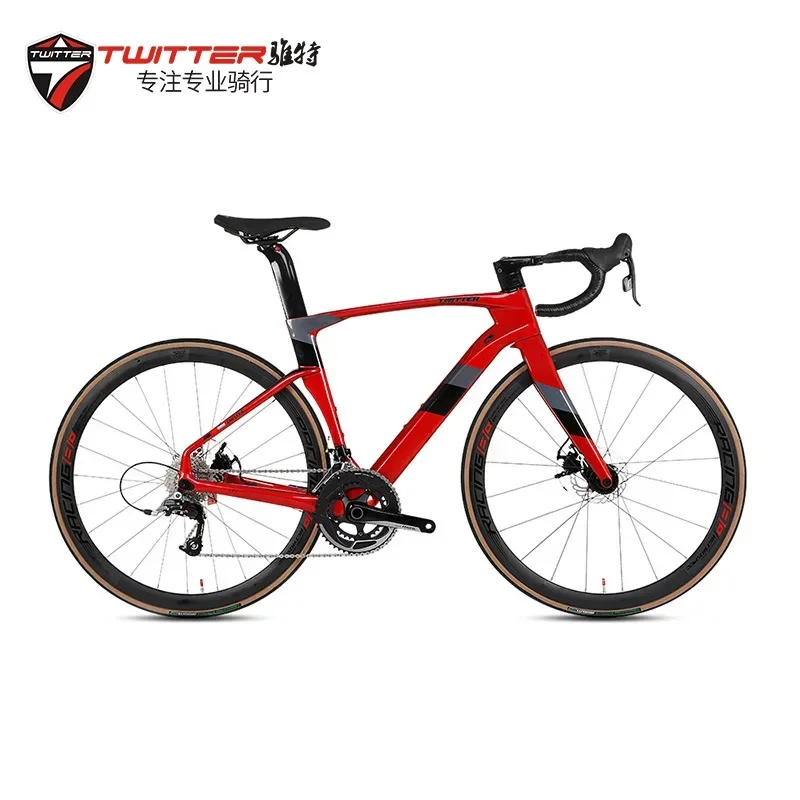
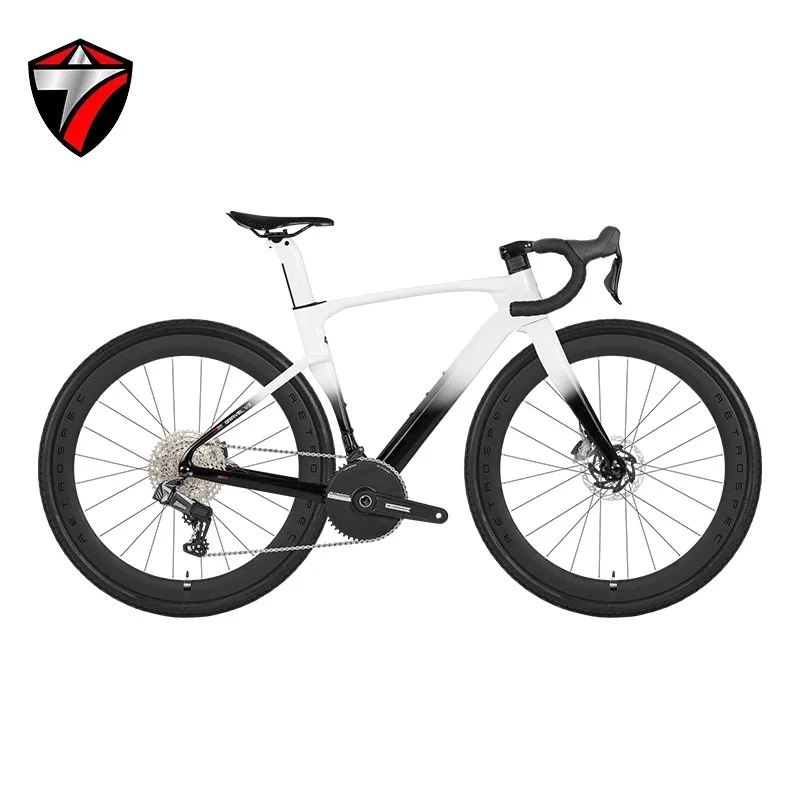
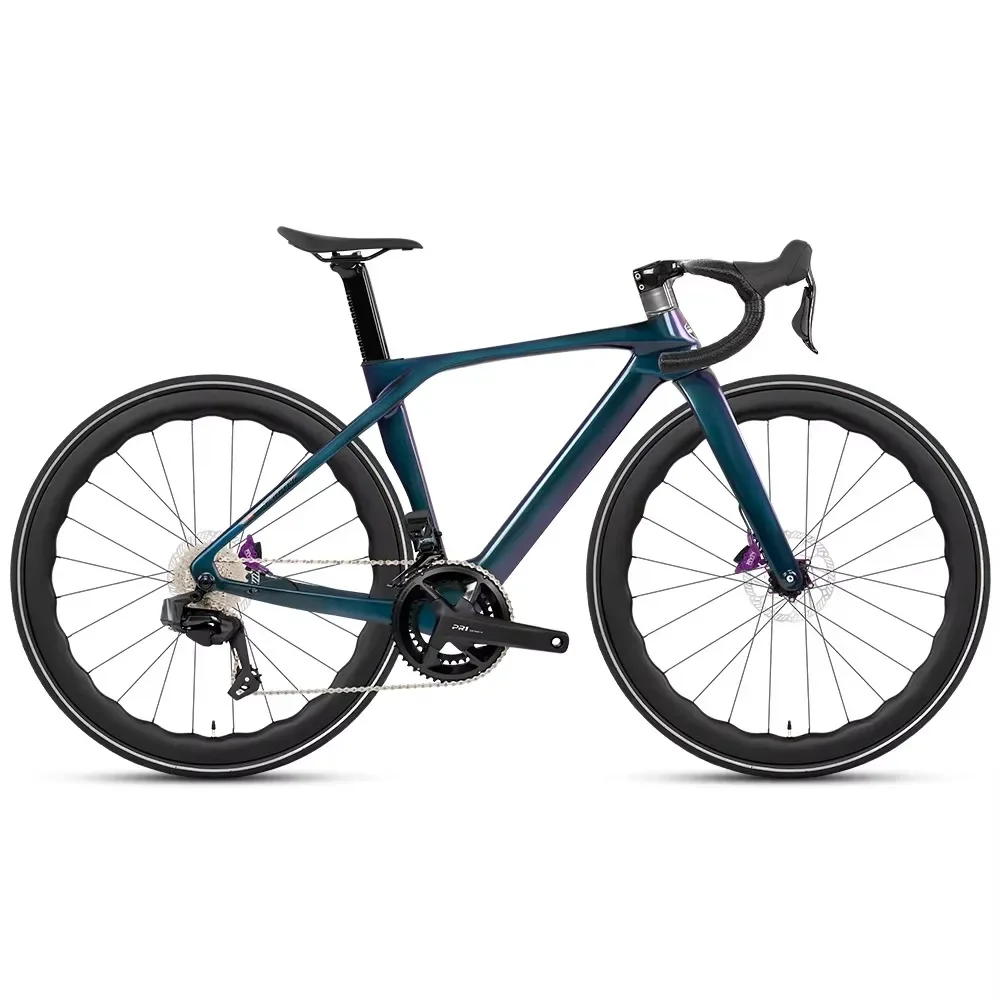
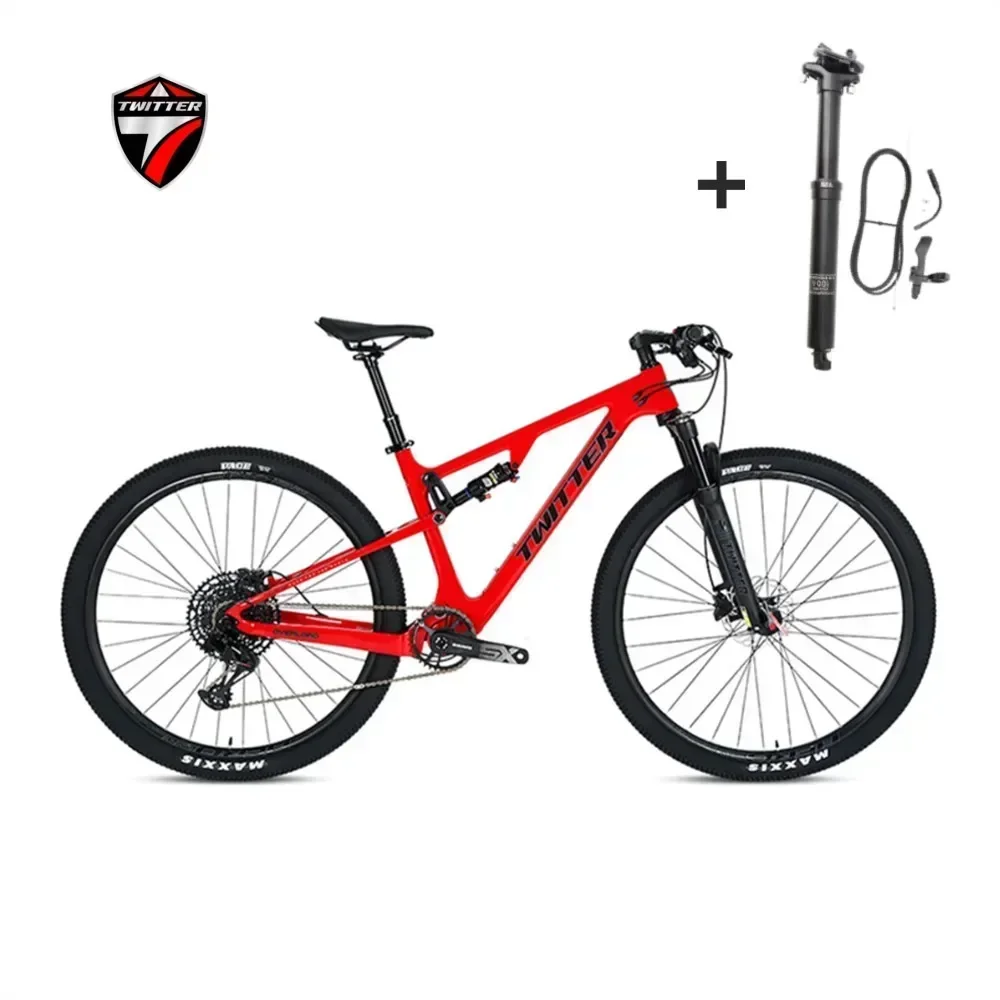
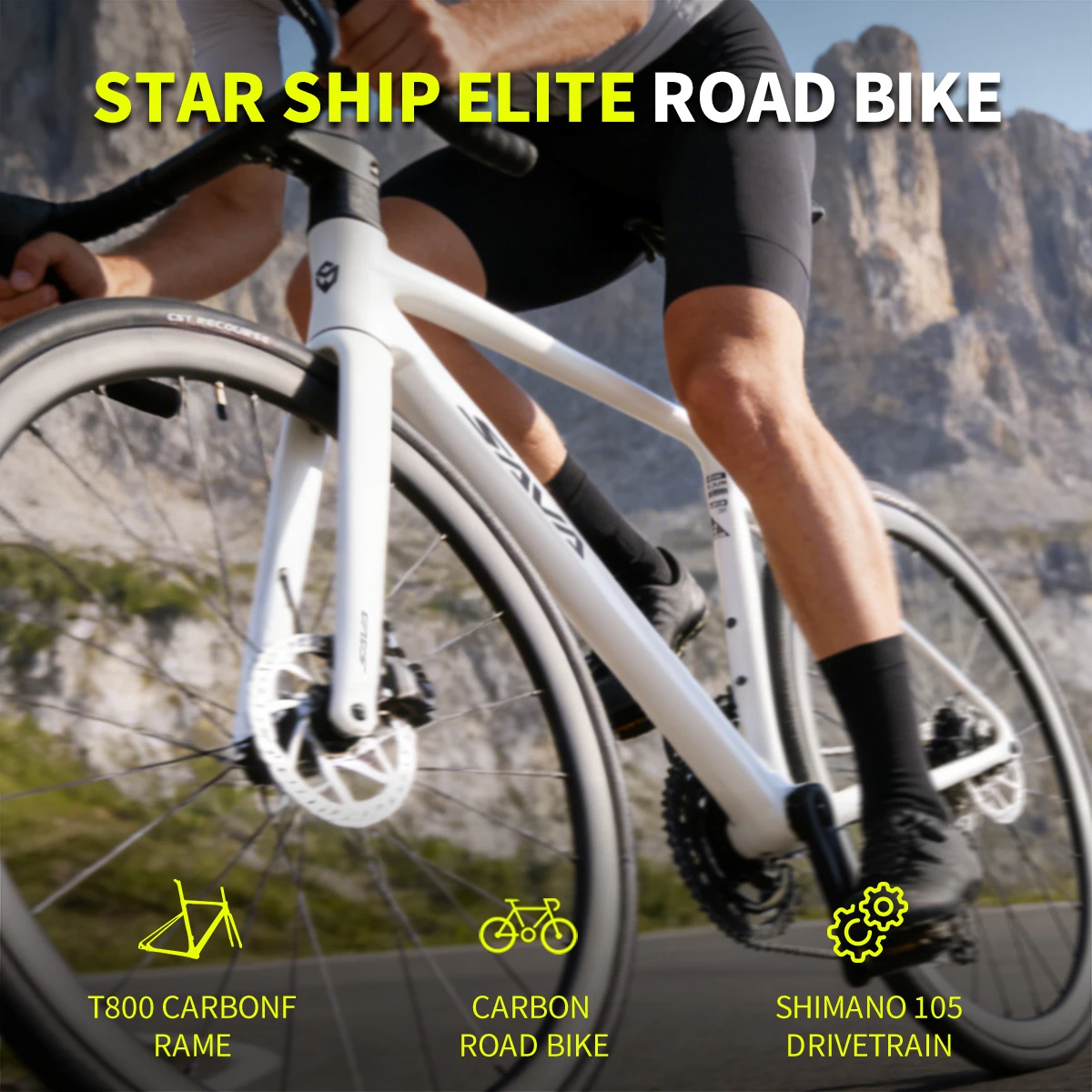
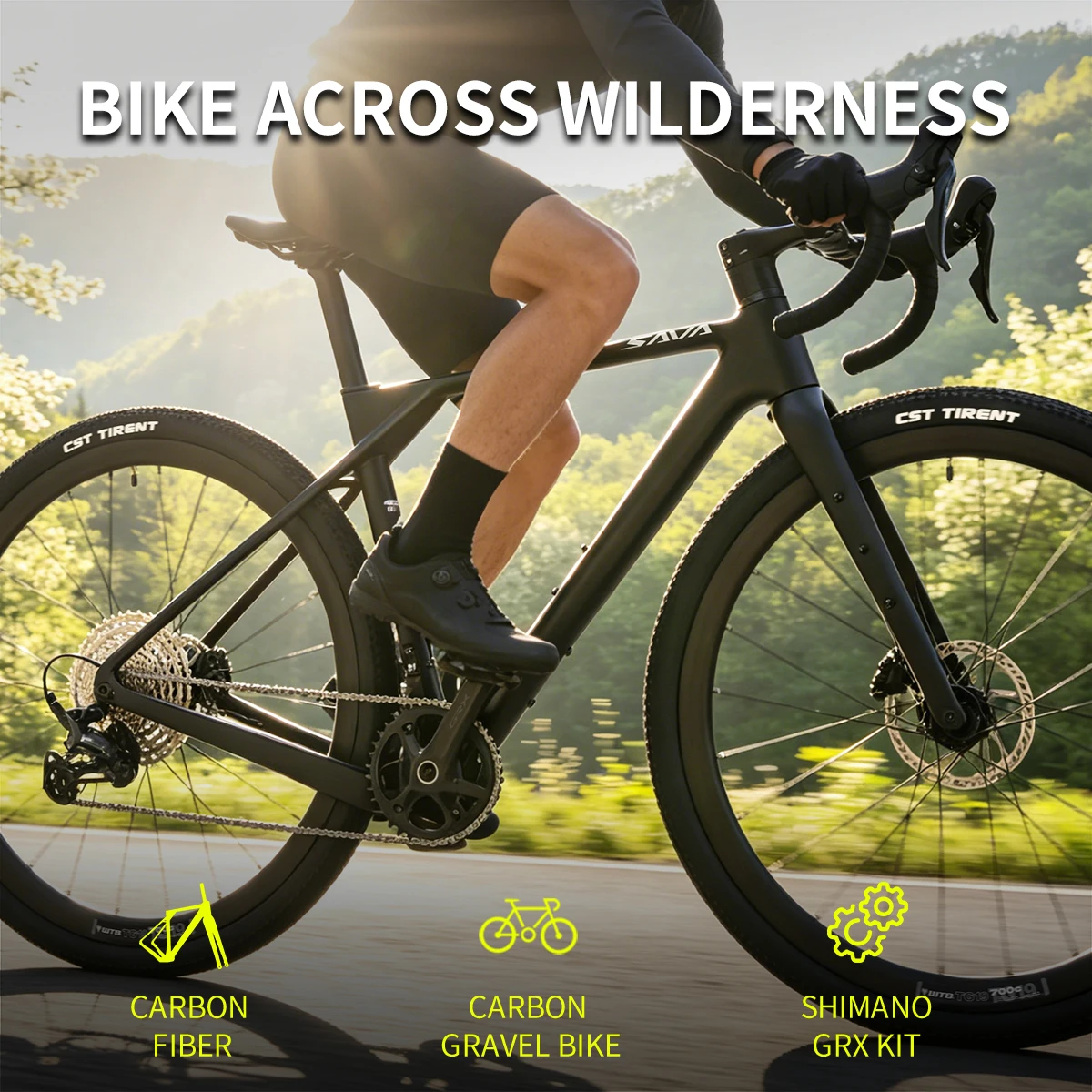
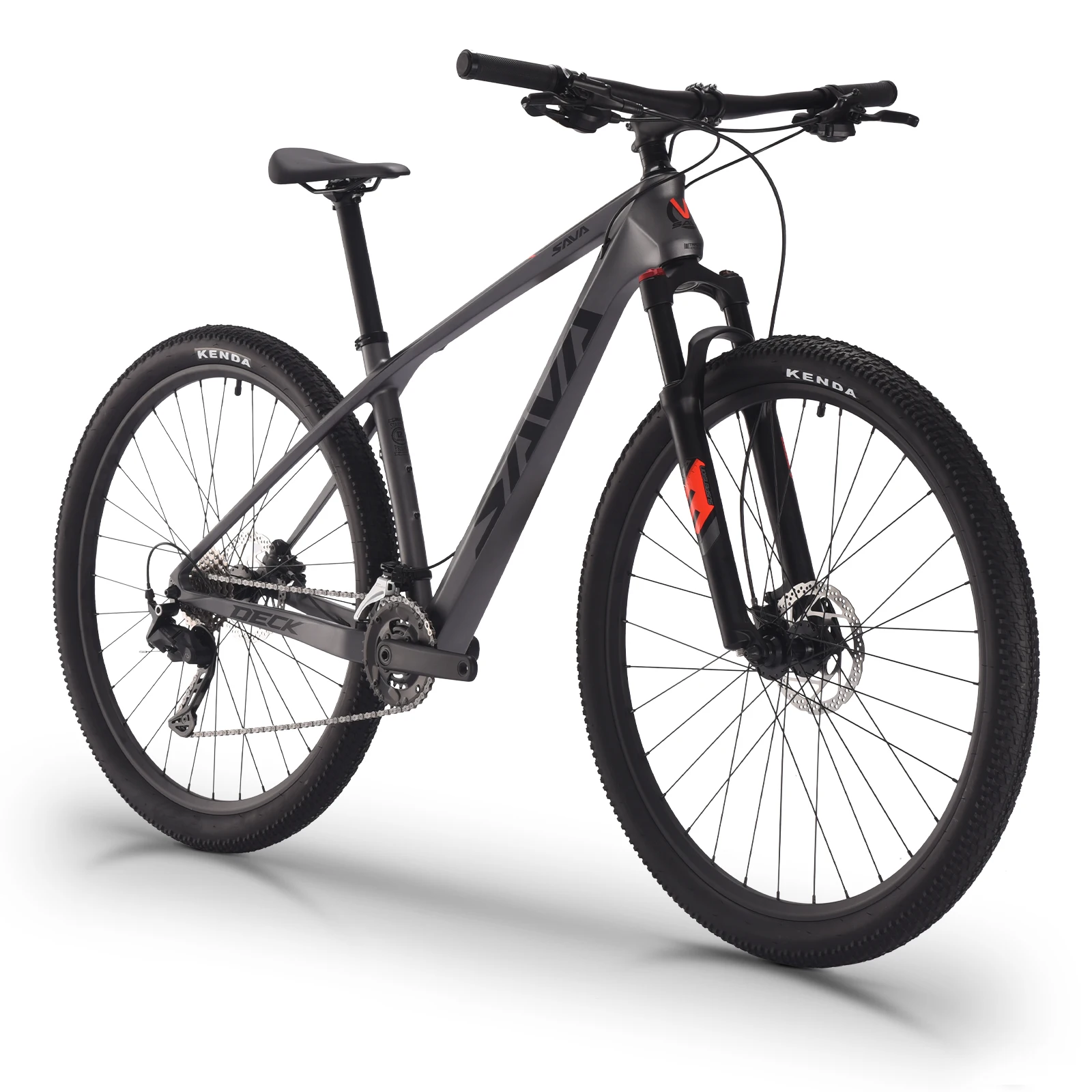
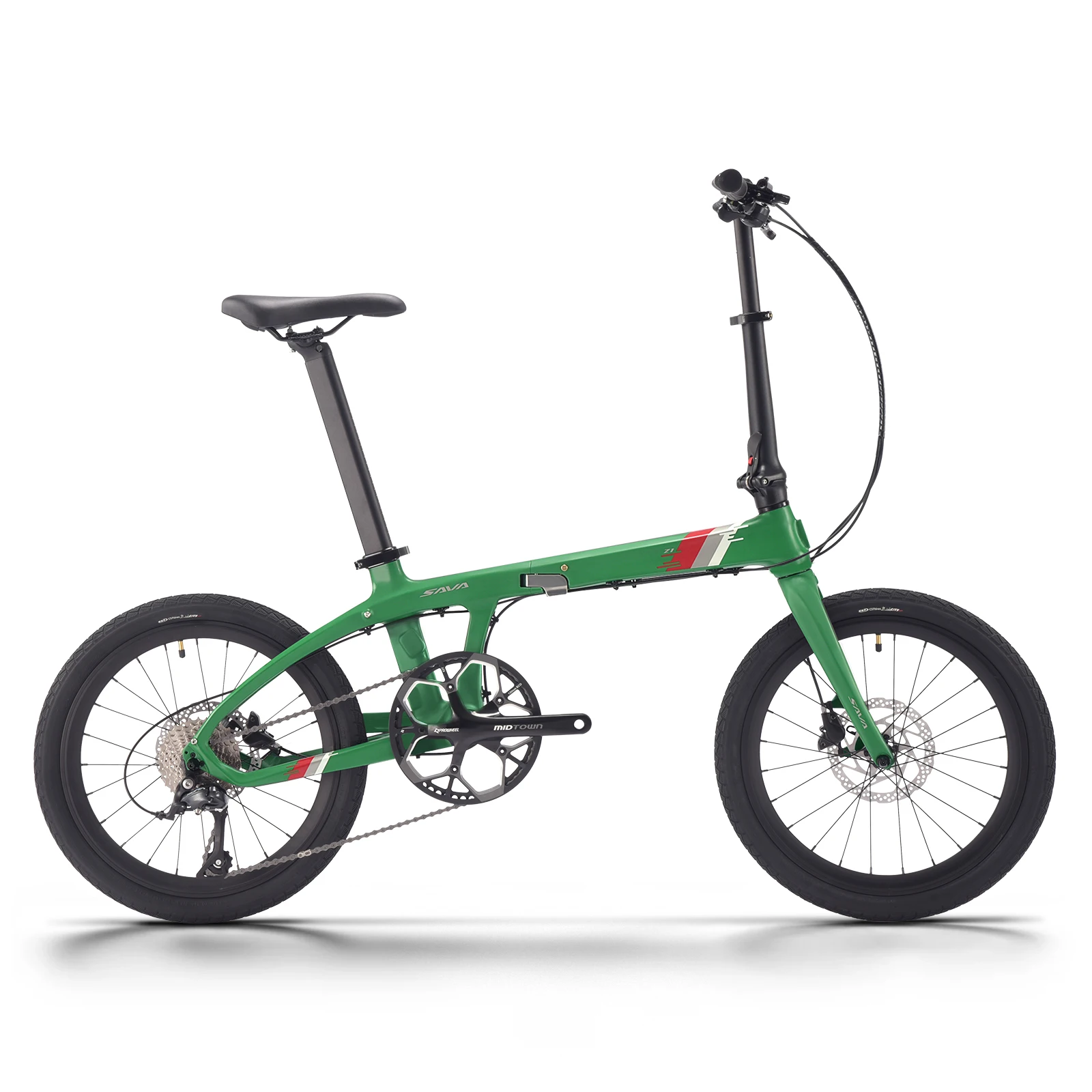
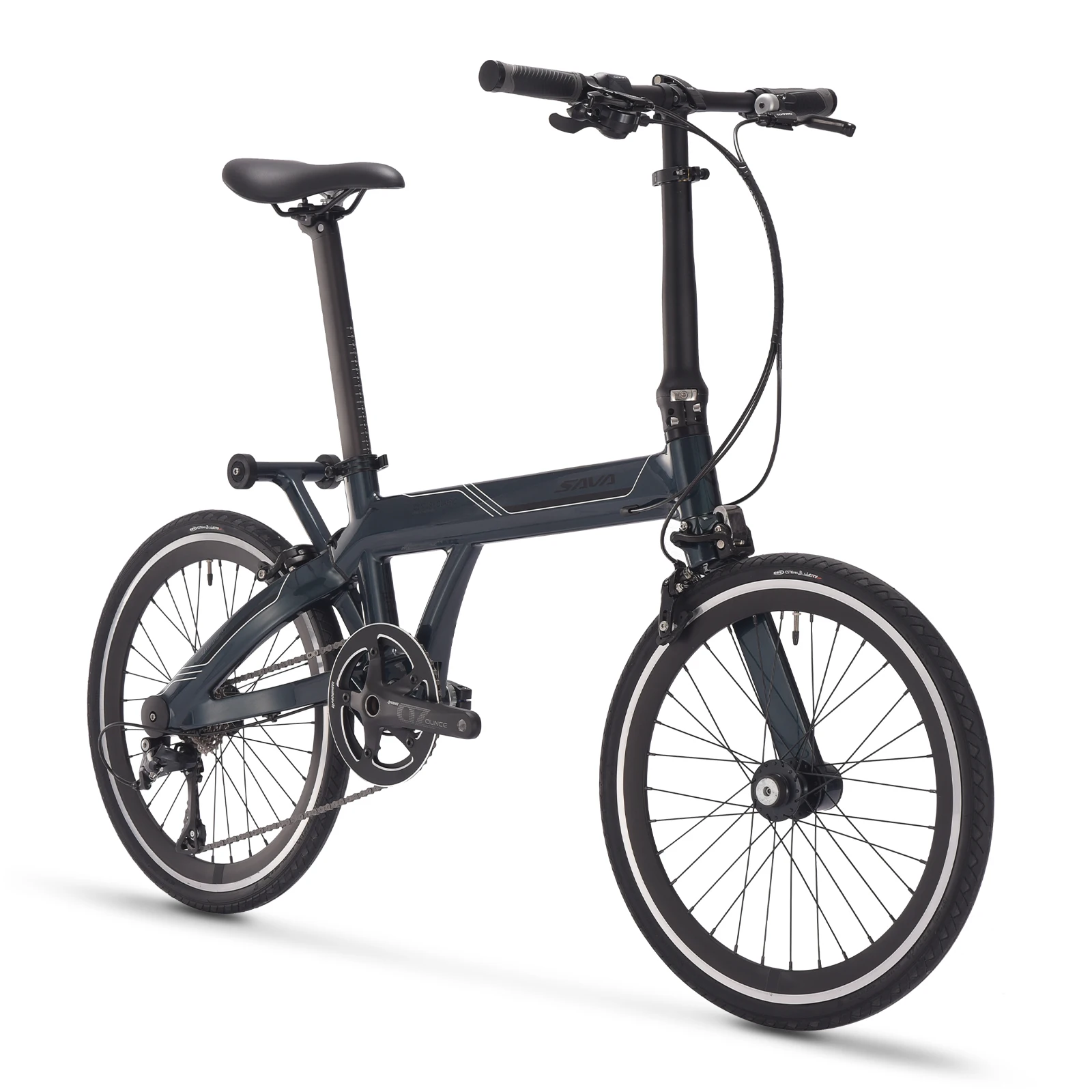
Bikes form the foundation of every cycling experience, whether you push hard on asphalt, charge down technical trails, or commute through busy streets each day. The best road, MTB, and urban bikes share precise geometry, durable frame materials, and drivetrain components that translate effort directly into forward motion. Riders who want reliable performance across varied terrain will find a frame type, wheel size, and build spec that matches their exact riding style here.
-47%
€3,069.84 Original price was: €3,069.84.€1,634.92Current price is: €1,634.92.
-42%
€2,387.66 Original price was: €2,387.66.€1,393.83Current price is: €1,393.83.
-41%
€2,131.07 Original price was: €2,131.07.€1,265.53Current price is: €1,265.53.
-43%
€3,045.99 Original price was: €3,045.99.€1,722.99Current price is: €1,722.99.
-42%
€2,630.66 Original price was: €2,630.66.€1,515.33Current price is: €1,515.33.
-42%
€2,630.66 Original price was: €2,630.66.€1,515.33Current price is: €1,515.33.
-36%
€2,830.00 Original price was: €2,830.00.€1,812.00Current price is: €1,812.00.
-38%
€944.83 Original price was: €944.83.€585.78Current price is: €585.78.
-39%
€3,688.00 Original price was: €3,688.00.€2,249.00Current price is: €2,249.00.
Bikes for Road MTB Urban Cycling — Finding the Right Frame
Choosing between road, MTB, and urban cycling disciplines starts with understanding how each frame geometry serves a different purpose on the road or trail. Road bikes use a longer top tube, narrow tires, and a drop-bar cockpit to maximize aerodynamic efficiency over flat and rolling terrain. Mountain bikes prioritize slack head angles, short chainstays, and wide-volume tires that absorb rock strikes and root impacts with confidence. Urban and city bikes sit between these two extremes, offering upright geometry, integrated lighting mounts, and rack compatibility for daily commuting. Frame material shapes every ride quality metric, from bottom bracket stiffness to vertical compliance over rough pavement. Aluminum alloy delivers a reliable stiffness-to-weight ratio at a price point accessible to most cyclists entering the sport. Carbon fiber adds measurable vibration damping and weight savings that experienced riders notice immediately on longer rides.Frame Materials, Geometry, and Drivetrain Technology
Hydroformed aluminum tubing allows engineers to vary wall thickness along each tube, concentrating material only where stress demands it. This controlled butting process reduces overall frame weight without sacrificing the lateral stiffness needed for efficient power transfer during climbs. Carbon layup schedules go further, letting designers orient fiber direction to tune compliance vertically while keeping the bottom bracket area rigid under sprint loads. Drivetrain technology has advanced to the point where 1x drivetrains with wide-range cassettes replace the complexity of front derailleurs on both MTB and gravel builds. Electronic shifting systems eliminate cable stretch and deliver consistent, repeatable gear changes regardless of weather or accumulated mileage. Hydraulic disc brakes provide modulated stopping power across wet roots, loose gravel, and steep descents where rim brakes lose consistency. Matching the right groupset tier to your riding frequency and budget prevents overspending on features you will never use.Road vs MTB vs Urban — How to Compare and Choose
A direct comparison between road, MTB, and urban cycling builds reveals trade-offs that are more nuanced than a simple terrain preference. Road bikes optimized for speed sacrifice comfort on broken pavement, making them a poor daily commuter choice unless routes are consistently smooth. Mountain bikes built for trail riding carry extra weight and rolling resistance that slow average speed on tarmac by a measurable margin. Urban bikes with fender clearance, step-through frames, or internally geared hubs solve commuting problems that neither pure road nor MTB geometry addresses efficiently. Tire clearance is one of the most practical selection criteria — wider clearance allows lower pressures, which increases traction and absorbs vibration on varied surfaces. Wheel size affects handling character as well: 29-inch wheels roll over obstacles more easily, while 27.5-inch wheels accelerate faster and suit shorter riders proportionally. Evaluating these concrete specifications against your actual riding conditions produces a more reliable buying decision than relying on generalized category labels alone.Getting the Most from Your Bike — Setup, Fit, and Long-Term Performance
Correct saddle height is the single most impactful fit adjustment you can make, with a 25 to 35 degree knee bend at the bottom of the pedal stroke representing the target range for most riders. Handlebar reach affects both comfort and control, and a stem swap costing very little can transform how a road, MTB, or urban cycling platform feels under load. Tire pressure tuning is equally important — running 10 to 15 PSI lower than the maximum rating on rough roads reduces fatigue and improves traction without sacrificing puncture resistance on most quality tires. Drivetrain longevity depends directly on cleaning and lubrication frequency; chains replaced at 0.5 percent wear rather than 1 percent preserve cassette and chainring life considerably longer. Brake pad inspection every 500 kilometers catches wear before it reaches the metal backing plate, which damages rim or rotor surfaces and creates an expensive repair. Suspension fork service intervals, typically 50 to 100 hours of riding for lower leg oil changes, maintain consistent damping performance and extend stanchion seal life. Browse the full range of road, MTB, and urban cycling options at VELOSFERA to find the right build spec at the best available price and order online with confidence today.