
Bags
Cycling bags solve a real problem every rider faces: carrying essentials without sacrificing comfort, balance, or aerodynamics on the road. The best options in this category combine lightweight carry solutions with durable, weather-resistant construction designed to handle everything from daily commutes to multi-day touring. Riders who want reliable storage without adding unnecessary weight will find this selection covers every mounting point and every riding style.



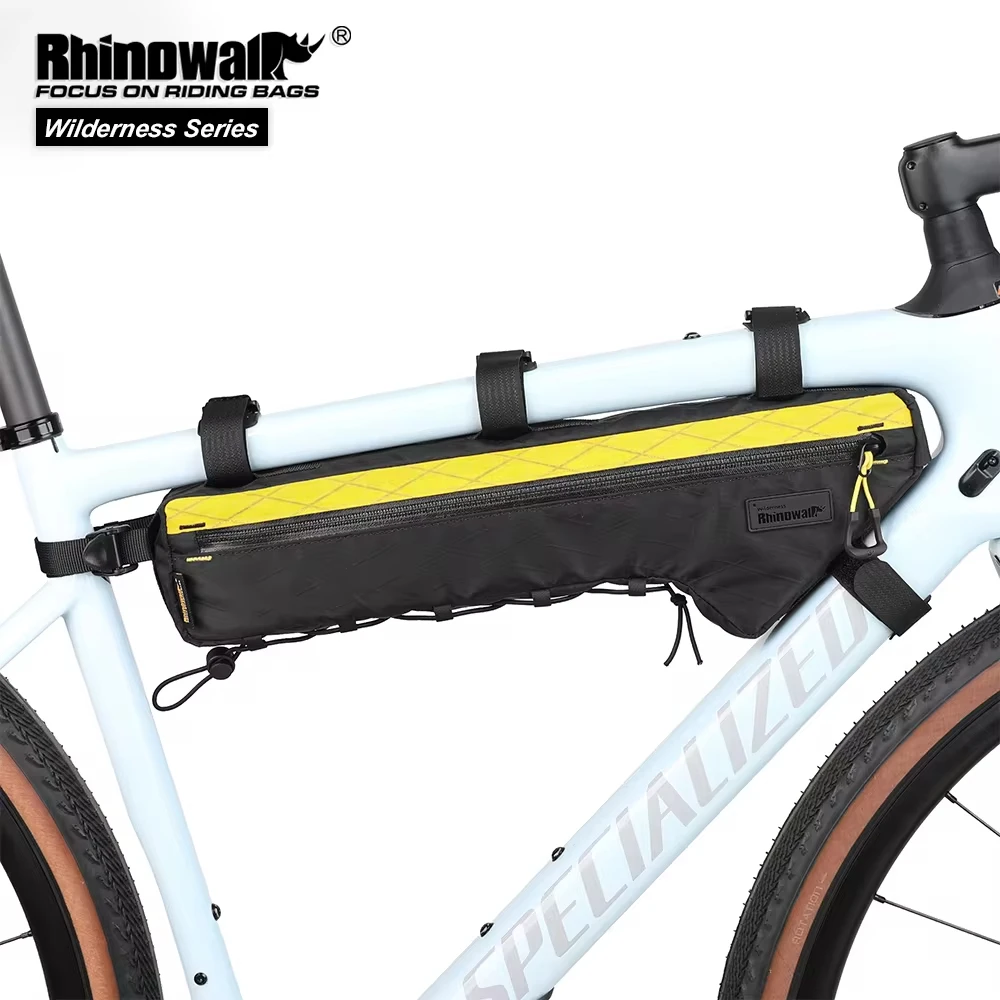
Cycling Bags for Every Ride and Every Mounting Point
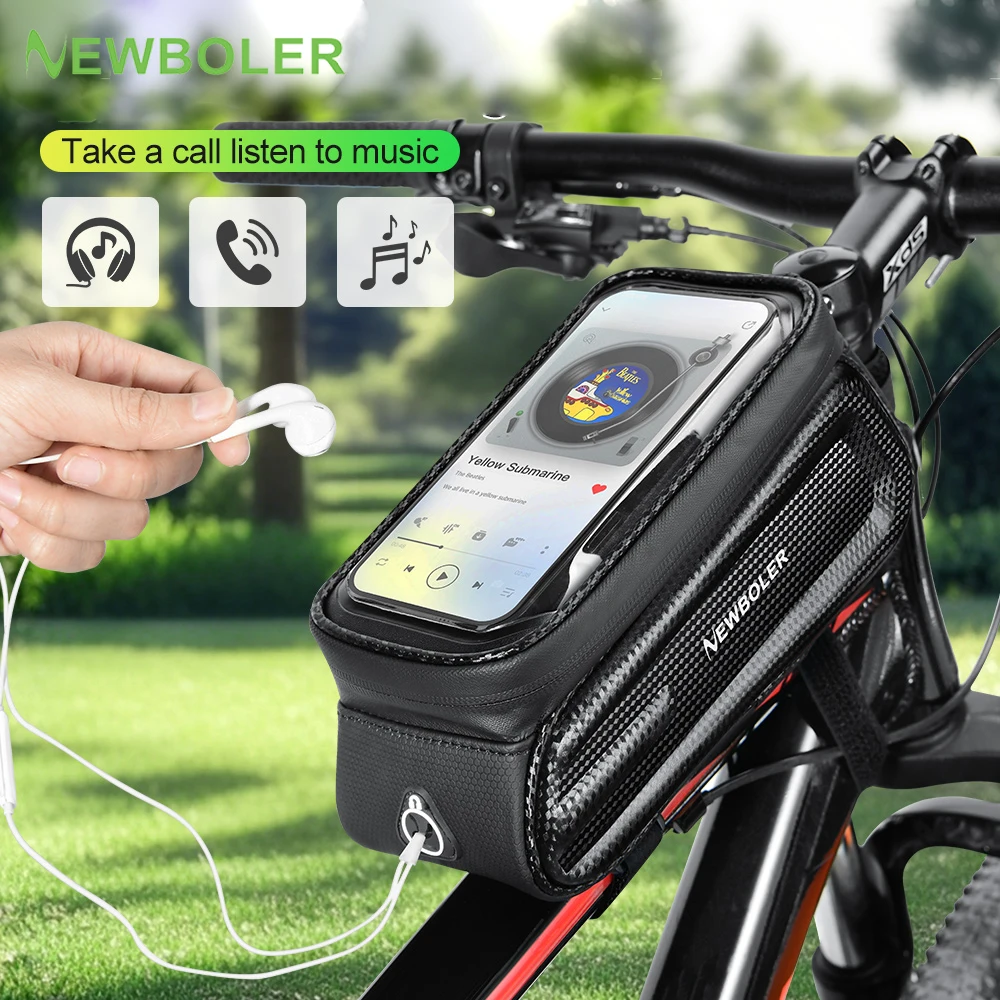
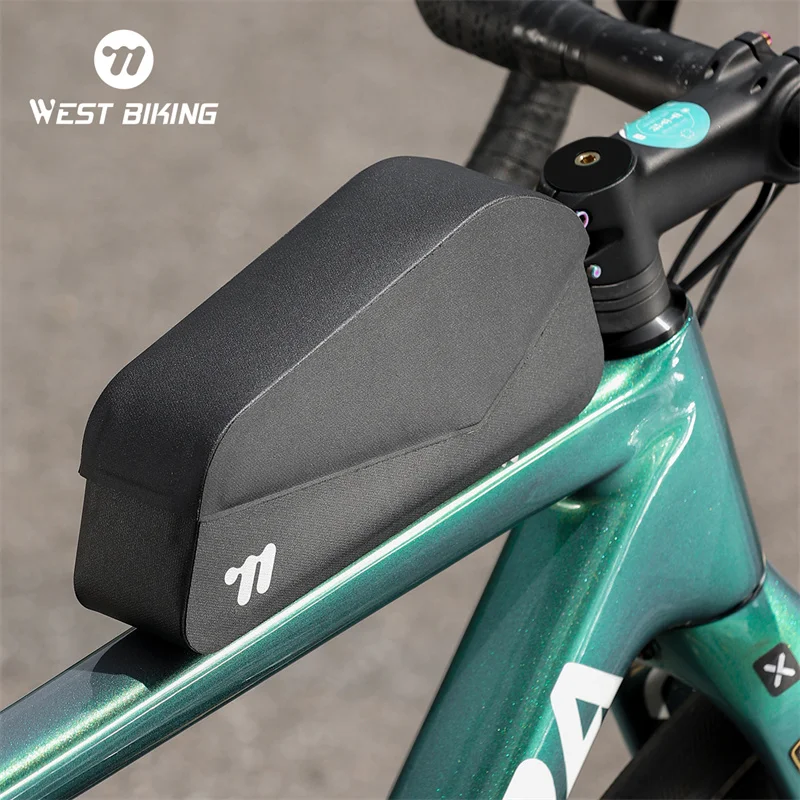
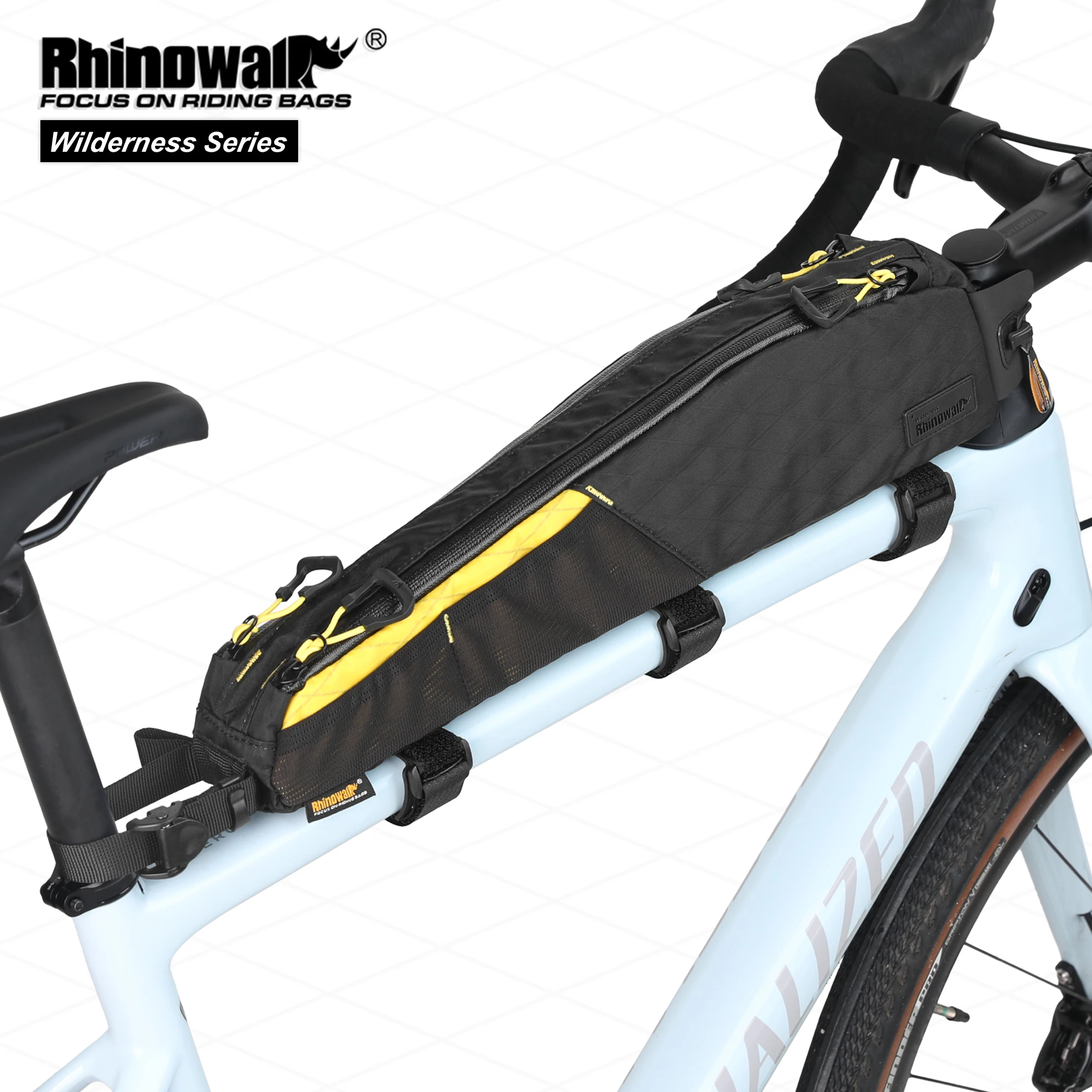
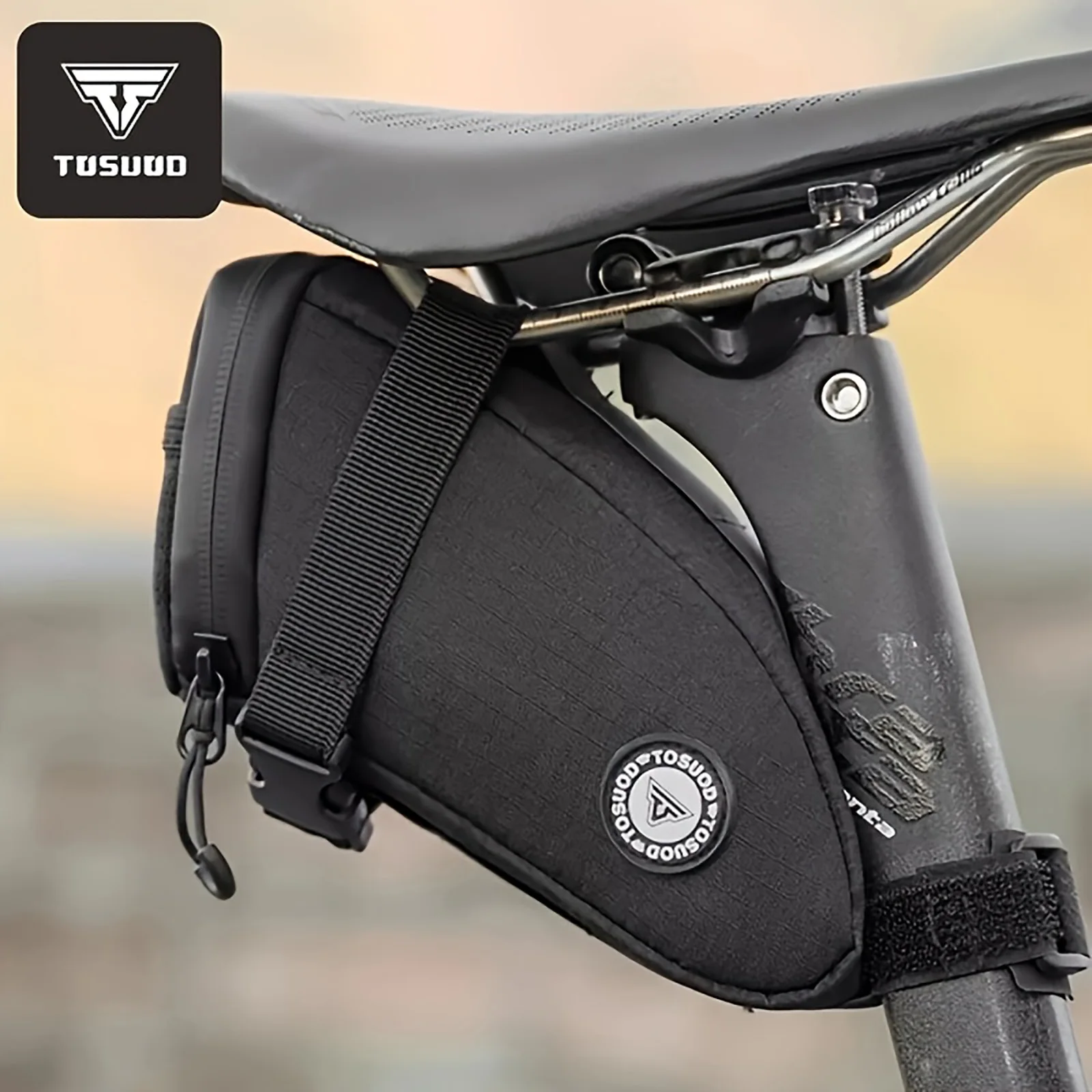
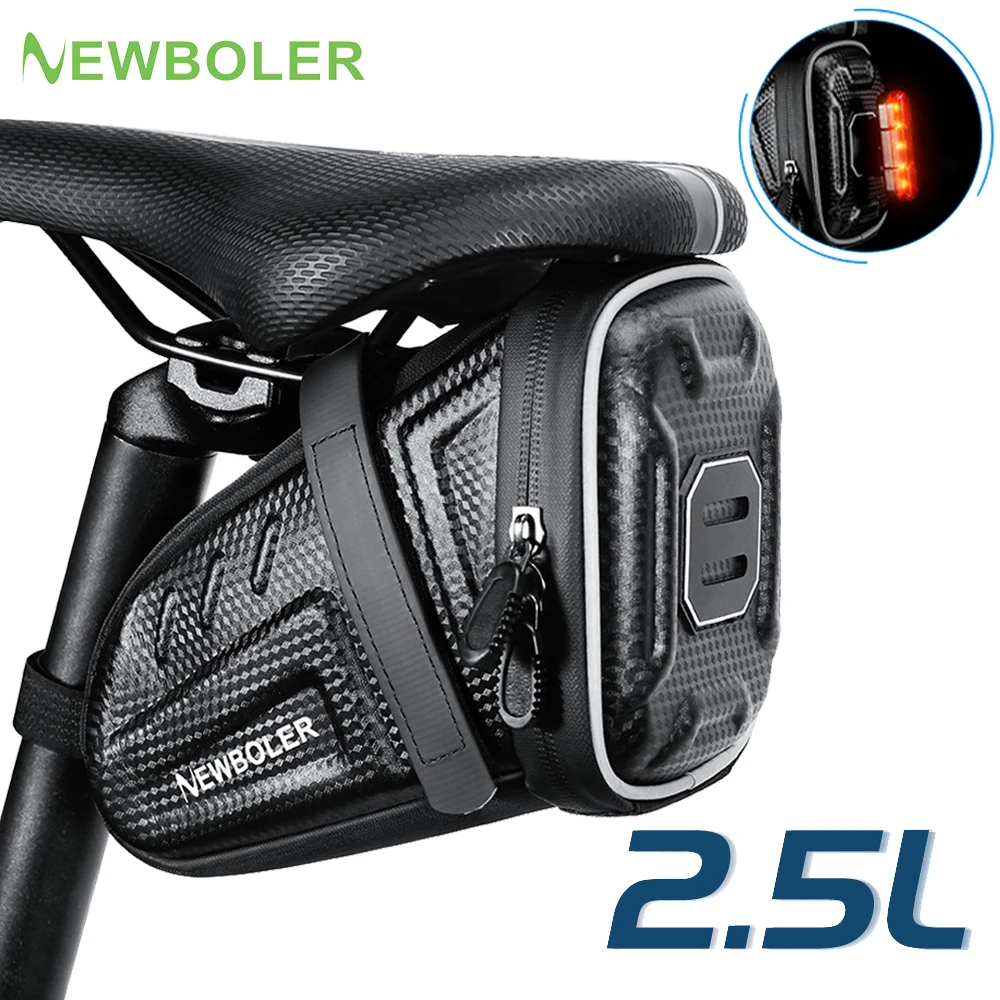
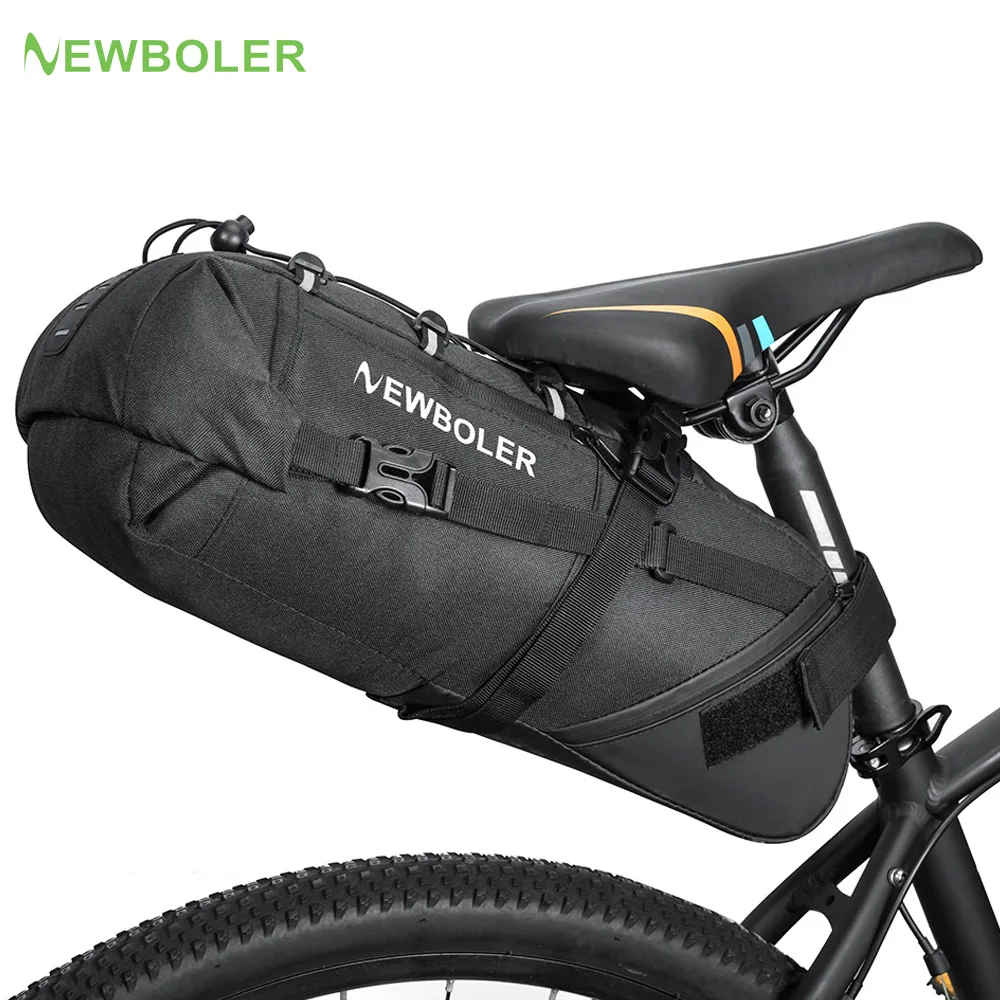
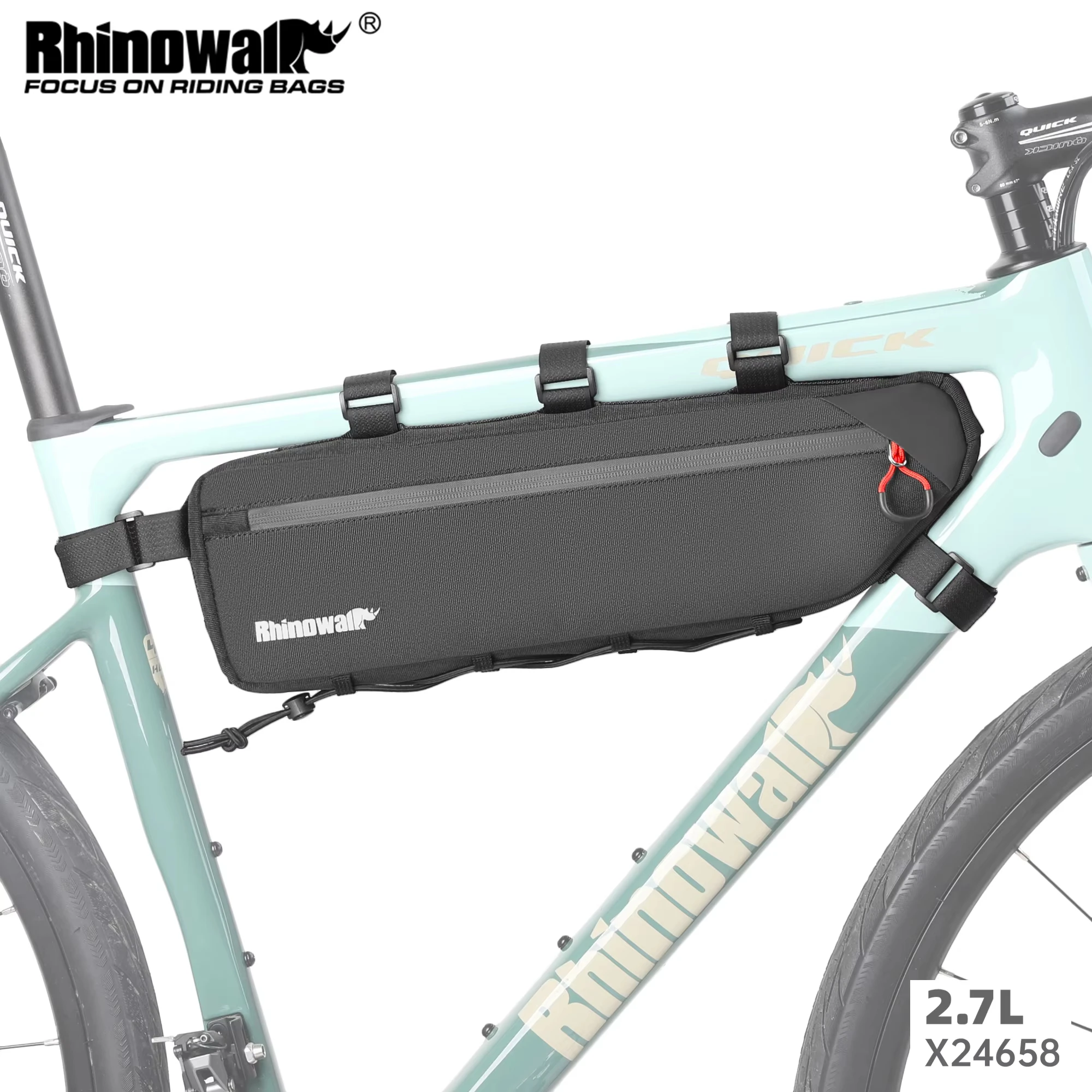
Cycling bags cover a wider range of carrying needs than most riders initially expect, from compact saddle packs holding just a spare tube and tyre levers to full-frame bags that turn any bicycle into a capable touring machine. Handlebar bags give you fast access to snacks, maps, and phones without stopping, while top-tube bags keep energy gels and cards within reach during hard efforts. Rack-mounted panniers distribute heavier loads low and wide, improving stability on loaded touring bikes. Stem bags and feed pouches suit road and gravel cyclists who want minimal storage with zero handlebar interference. Each mounting position serves a distinct purpose, so choosing the right bag starts with understanding where the weight should sit on your specific bike. Lightweight carry solutions are not a luxury for serious riders — they directly influence handling, fatigue, and overall ride quality. Trusted across road, MTB, and urban disciplines, this category offers purpose-built options for every cyclist at every skill level.
Materials and Construction That Define Quality Cycling Luggage
The fabrics used in quality cycling bags balance three competing demands: minimal weight, maximum weather resistance, and long-term abrasion durability. High-tenacity nylon and coated polyester are the two most common base materials, both offering a strong weight-to-strength ratio that keeps lightweight carry solutions genuinely light without compromising structure. Welded seams and taped zips prevent water ingress during rain without adding the bulk of traditional waterproof covers. Reflective panels and piping add passive visibility in low-light conditions, a measurable safety benefit for commuters and early-morning riders. Harness systems use wide webbing straps and silicone anti-slip patches to keep bags locked in place over rough terrain and hard out-of-saddle efforts. Buckles and attachment hardware are typically injection-moulded from high-impact nylon or aerospace-grade aluminium, rated to far exceed the loads a cycling bag will ever encounter in real use. Understanding construction quality helps you identify bags built to last multiple seasons rather than products that fail at the first seam under sustained load.
How to Choose the Right Cycling Bag for Your Needs
Selecting the right bag from a broad category requires matching three variables: carrying capacity, mounting compatibility, and the type of riding you do most often. For daily urban commuting, a single large saddle bag or a compact backpack-style seat pack gives you enough room for a lock, tools, and a change of clothing without overloading the rear of the bike. Gravel and bikepacking riders benefit most from a system approach — frame bag plus handlebar roll plus top-tube pouch — distributing weight across the bike rather than concentrating it at one point. Road cyclists prioritising aerodynamics should focus on low-profile saddle packs and tucked top-tube bags that sit within the silhouette of the rider. Waterproofing rating matters: look for IPX4 splash resistance as a practical minimum for commuters, while touring riders in unpredictable climates should seek fully sealed roll-top closures or hard-shell designs. Capacity is measured in litres, and a useful rule is to choose slightly more volume than you think you need — stuffing a bag to its limit strains zips and distorts mounting systems over time. Trusted brands engineer their bags with these trade-offs already resolved, so reading the specification sheet before purchase saves you from returning a product that was never suited to your use case.
Getting the Most From Your Cycling Bags Over the Long Term
Proper installation extends both the life of the bag and the life of the bike frame beneath it, so always fit anti-abrasion pads or frame protectors at every contact point before your first ride. Distribute weight evenly when loading a bag: heavier items closest to the frame or lowest in the pack keep the centre of gravity stable and reduce steering interference. After rides in wet conditions, open all compartments and allow the interior to dry completely before storing the bag — trapped moisture degrades fabric coatings and corrodes metal hardware faster than any amount of normal use. Periodically inspect attachment straps and buckles for UV degradation and replace any component showing visible cracking before it fails on the road. Cleaning is straightforward: hand wash with a mild soap, rinse thoroughly, and air dry away from direct sunlight to preserve waterproof coatings and colour integrity. A quality cycling bag should comfortably last three to five riding seasons with this level of basic care, making the upfront investment in a well-constructed product genuinely cost-effective over time. When you are ready to shop the full range of lightweight carry solutions at the best price, VELOSFERA carries a curated selection built for road, MTB, and urban cyclists who demand reliable performance on every ride.